Signs Your Home Has Too Much Humidity
A home can feel normal day to day and still be running too humid in ways that slowly create comfort and moisture problems.
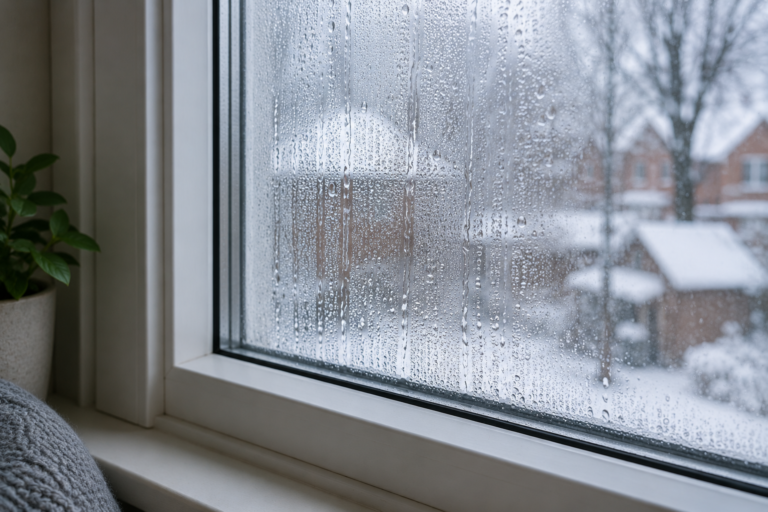
That is why people often notice the signs separately at first: windows that sweat in the morning, a room that smells stale, laundry that never quite dries, or mold that returns in one corner.
Seen together, those clues often point to the same root issue: the house is holding more moisture than it can dry out effectively.
Quick Answer
Common signs of excess indoor humidity include musty smells, condensation on windows, damp-feeling rooms, recurring wall or ceiling marks, mildew or mold growth, clothes or closets that feel damp, and humidity readings that stay high.
Common Signs of Too Much Humidity at Home
| Sign | What It Often Points To |
|---|---|
| Window condensation | The air is holding more moisture than cooler surfaces can handle. |
| Musty smell | Slow drying, stale air, or damp materials are lingering longer than they should. |
| Damp walls or ceilings | Repeated surface moisture, condensation, or a room that stays humid too often. |
| Mildew in corners | Humid air is settling in low-airflow spots and drying slowly. |
| Clothes or closets feeling damp | Moisture is collecting in enclosed storage areas and fabrics. |
| Peeling paint | Surfaces are taking repeated moisture, even if the room does not look wet every day. |
| High humidity readings that persist | The home is staying above a comfortable working range for too long. |
The most common signs your home has too much humidity
- Windows sweating on the inside
- Musty or stale-smelling air
- Bathrooms or bedrooms that stay damp longer than expected
- Mold returning in corners, grout, seals, or behind furniture
- Laundry drying slowly indoors
- A general sticky or heavy feeling in the air
Any one sign can happen occasionally. The stronger signal is when several of them start to overlap or repeat in the same rooms.
Quick Tip
High humidity is often easier to notice through patterns than through one dramatic symptom. Repetition is the clue.
How High Humidity Shows Up in Different Rooms
High humidity rarely looks exactly the same in every part of a home. The room pattern usually tells you where moisture is settling, how long it is lingering, and whether the problem is broad or room-specific.
Basement
Basements often show the pattern first through stale air, a damp feel, or a smell that gets stronger after humid weather. It helps to read if the basement is where the moisture signs are strongest.
If the lower level keeps feeling heavy even after ventilation changes, check if you are trying to decide whether a dehumidifier is warranted. And when the humidity level itself may already be risky, the numbers can confirm why the room keeps behaving that way.
Bedroom
Bedrooms often show humidity through overnight window condensation, stale morning air, or mold returning near colder exterior walls and furniture-tight corners.
Bathroom
Bathrooms usually make the pattern obvious through steam that hangs around too long, slow-drying surfaces, peeling paint, or mildew that keeps coming back around grout, seals, or ceilings.
Closets and Storage Areas
Closets and storage zones often reveal the issue through damp fabrics, stale air, and a smell that builds quietly in enclosed spaces. That is often the point where people start asking when the room already smells musty.
Windows and Exterior Walls
Windows that sweat repeatedly, cold corners, and exterior-facing walls often show the first visible signs because moisture settles there sooner than it does in warmer, better-ventilated parts of the home.
Why it matters if you leave humidity too high
High humidity does not always create a dramatic immediate problem, but it does make repeated condensation, damp smells, and surface moisture much more likely over time.
- Mold grows more easily where surfaces stay damp
- Odors become harder to clear from enclosed rooms
- Window frames and nearby plaster can take repeated moisture
- Rooms become less comfortable and harder to keep feeling fresh
How to check whether the home is really too humid
The simplest way is to use a basic hygrometer and compare the reading with what you are already noticing in the room. A number is most useful when it matches a repeated symptom pattern.
If you need the target range itself, go next to ideal indoor humidity level for a home. If you are already seeing condensation, also read why windows sweat.
What to do next when the signs are stacking up
- Reduce indoor moisture where you can
- Improve ventilation and post-shower airflow
- Watch whether specific rooms keep spiking overnight
- Use a dehumidifier if the home stays damp despite better habits
If the pattern includes wall staining or recurring damp patches, add what causes mold on walls and hidden mold behind walls to your reading path.
Important
If several rooms are affected at the same time, the issue is less likely to be a single isolated room problem and more likely to be a broader indoor moisture pattern.
Frequently asked questions
Is one sign enough to say my home is too humid?
Not always. The stronger clue is when several signs repeat or the same symptom keeps returning in one or more rooms.
Can musty smell come from humidity alone?
Yes. Air that stays damp for long periods can create that stale, musty feel even before visible mold becomes obvious.
Should I buy a humidity meter first?
It is often a smart early step because it helps you confirm whether the room is actually staying too humid over time.
When does a dehumidifier start to make sense?
When the signs keep returning despite better ventilation, lower moisture habits, and more consistent room drying.
Can a house be too humid without visible mold?
Yes. A home can stay too humid long before mold becomes obvious, especially if the earliest clues are stale air, condensation, slow drying, or damp-feeling fabrics and closets.
Want to compare the signs with a target range?
Use the humidity guide next if you want to know what level usually makes sense for comfort and moisture control.